


September 2025
September 2025
Are you considering switching to solar power amid soaring electricity bills?
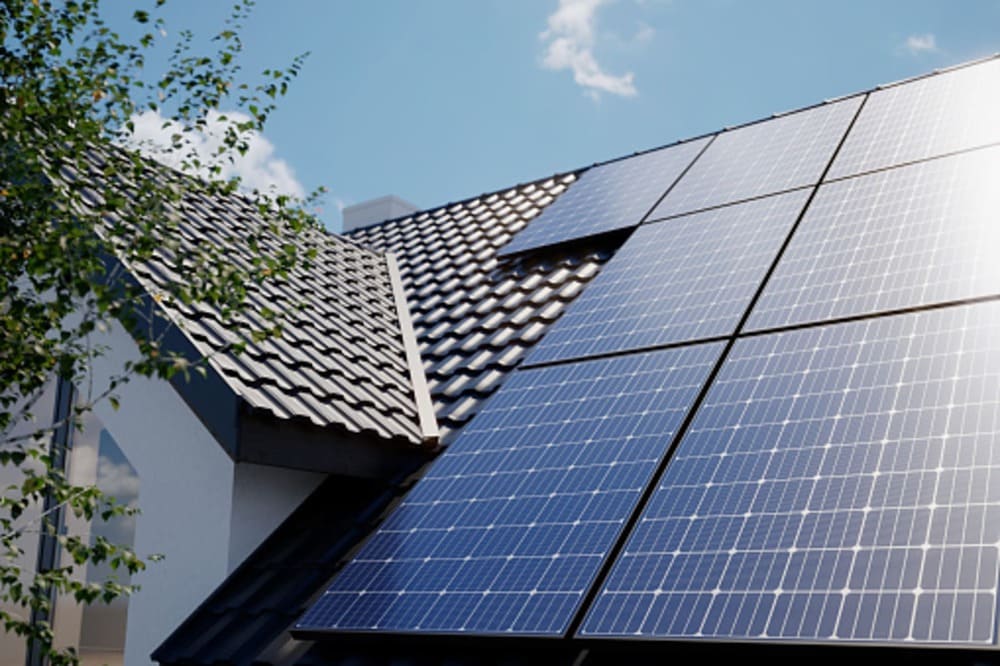
Installing solar panels for home use is a proven way to future-proof your finances in 2025. Thousands of Irish households have already made the switch, tapping into renewable energy with solar photovoltaic (PV) panels to cut costs and lower their carbon footprint.
Ireland’s installed solar capacity has grown by nearly 160% in just two years. Today, over 140,000 homes generate their own power and collectively cut more than 395,000 tonnes of CO₂ each year – that’s the equivalent of driving 2.6 billion kilometres in a petrol or diesel car, according to Solar Ireland.
In this guide, we’ll walk you through everything you need to know about solar panels for home installation: how they work, how they save you money, and how you can maximise your return with available grants.
From a financial point of view, installing solar PV panels reduces your electricity bills by generating clean power directly for your home. It also shields you from energy price spikes like those seen after Russia’s war on Ukraine. On top of that, solar panels add long-term value to your property and improve its efficiency.
Environmentally, solar panels reduce your reliance on electricity generated from fossil fuels and eventually lower your greenhouse gas emissions.
For a country that relies heavily on imported gas and oil, Ireland has set a bold target to generate 80% of its electricity from renewable sources by 2030, with solar playing a central role. To achieve this goal, the country needs 8 gigawatts (GW) of solar power, in addition to 14 GW of power through wind projects by the end of this decade.
Once installed, solar panels will generate clean electricity affordably for 25 years or more with minimal maintenance requirements.
The technology behind solar energy is straightforward. When sunlight hits your solar panels, the photovoltaic cells within the panels capture this energy and convert it directly into electricity. This electricity, however, is in the form of direct current (DC), which isn’t compatible with your home’s electrical system. This is where an inverter comes in: it converts the DC power into alternating current (AC) electricity that your house can use immediately to power your appliances such as TV, kettle, phone charger etc.
Any excess energy your solar panels for home system generates can be stored in batteries for later use or exported back to the grid through Ireland’s micro-generation scheme.
According to Sustainable Energy Authority of Ireland (SEAI), a typical 3 kW solar PV system (south-facing) of around 20 square meter can generate around 2,600kWh of electricity a year. That’s enough to cover over 40% of an average Irish household’s annual energy demand.
The Irish government, via SEAI, offers substantial financial support to encourage renewable energy adoption.
For solar PV systems that generate electricity, you can receive up to €1,800 in grant funding, whereas for solar thermal systems for heating water, grants of up to €1,200 are available. Additionally, the government has removed VAT on solar panel installation, potentially saving you nearly €1,000 more on your total project cost.
To qualify for solar panel grants, you must meet specific criteria. You must be the owner of the property build and occupied before 2021. You must ensure that your property have had no previous funding for installing solar PV. It is important to note that you must have grant approval in place before installing your panels. Once you have grant approval, you will have 8 months to complete the works following which a post works Building Energy Rating (BER) needs to be carried out before you receive grant payment. To know the step-by-step process, read SEAI’s Solar PV Scheme application guide.
Financially, it makes sense to begin your home energy upgrade with insulation before installing solar panels. In our blogs on improving your BER rating and energy saving tips, we show you how insulating your walls and attic can lower your heating costs and improve your home’s efficiency.
Allianz covers solar PV panels and geothermal heating under your home insurance. In the event of a claim due to events like storms, fire or theft, Allianz will cover the costs of repairs or replacements, ensuring that your sustainable energy investments are safeguarded.
The cost of a solar PV system will vary depending on the size of the system, your energy needs, the type of solar panels, roof accessibility, and the installer used.
In general, a home solar PV system cost between €1500 and €2,000 per kW installed. So, a 4kW solar system could cost around €8,000. While this represents a substantial upfront investment, most systems pay for themselves within 5-6 years through electricity bill savings and grants.
Just like the cost, the exact payback period also depends on factors like your energy consumption, system size, orientation of your solar panels. Alternatively, you can use the SEAI’s solar electricity calculator to get a tailored estimate about the payback period.
Once your solar panel system has paid for itself, you’ll essentially enjoy free electricity for the remaining 20 plus years of the panels’ operational lifespan. You can even earn money from your solar panels by selling excess electricity back to the national grid through the Micro-generation support scheme.
The short answer is yes. Solar panels generate electricity whenever it’s daylight, so they will work on overcast days. However, they won’t produce power as much as in direct sunlight, but they remain effective. In fact, around 75% of the annual solar energy in Ireland is produced between May and September.
As mentioned above, Allianz covers solar panels as a standard part of the buildings (or premises) cover with your home insurance. This means your solar panels are generally protected against risks such as storm damage, fire, theft, and vandalism. However, you must notify your home insurer before carrying out any type of renovations so that they can advise whether your policy will be affected. It's also important to ensure that your declared sum insured are accurate. For buildings, your sum insured should reflect the full cost of rebuilding your home, including reinstating it to the same condition it was in before any loss. Whenever you make renovations, it's always a good idea to consider whether your current sum insured is adequate.
Within your home policy, solar panels are treated as fixtures and fittings within the boundary of the premises. You can find more details on this in your policy wording.
Moreover, Allianz offers a 'Rebuild Better' benefit, which provides an extra €6,000 on top of claims of €50,000 or more, to make sustainable energy upgrades such as installing wall insulation or solar PV panels during the reconstruction process.
If your property has suffered damage, please call Allianz’s claims registration line on 01 613 3990, which is open Monday to Friday between 9am-5pm. If you are a direct customer, you can also log a claim through myallianz.ie or email propertydamage@allianz.ie
Most solar PV systems have a lifespan of 25–30 years and require minimal maintenance.
Yes, solar panels still generate electricity even when it's cloudy.
That depends on your household’s energy use, but a 1kWp system typically needs three panels.
On average, solar panels for home use pay for themselves in about 5-6 years.
Explore our TikTok related videos through the links below.
Allianz p.l.c. is regulated by the Central Bank of Ireland. Standard acceptance criteria, terms & conditions apply
Information correct as at 26/09/2025
